What are you looking for?

Optitex O/26 Release: Advancing Digital Patternmaking and Connected Production Workflows

Digital patternmaking and connected production workflows are under increasing pressure to deliver speed, precision, and coordination across teams. As digital workflows expand, organizations require infrastructure that reinforces accuracy, repeatability, and continuity without introducing instability.

Optitex O/26 release represents the next deliberate step in that progression. This release strengthens core production workflows through targeted operational refinements across the PDS and Marker applications, including expanded automation, nesting optimization, output control, and Adobe® ecosystem integrations. The focus is on reinforcing the reliability and precision that technical design and production professionals depend on every day.

Designed for organizations operating in fashion and apparel, furniture upholstery, and automotive interiors, O/26 supports technical design and production professionals who require structured data flow, consistent documentation, and dependable execution at scale.

.Optitex.Article.O26 Release.Banner1

Clearer Production Indication with the Production Diagram

Clear communication between pattern development and production execution remains foundational to manufacturing accuracy. In O/26, the Production Diagram tool has been refined to strengthen documentation control and visual precision without increasing workflow complexity.

When a graded PDS file is selected, only the base size is imported into the Production Diagram, with the marker board area calculated accordingly. This reduces unnecessary visual density and improves diagram clarity, enabling production teams to work from a more controlled and accurate reference.

Optitex.Article.O26 Release.Banner2

Editing capabilities within the workspace allow users to adjust arrows, line shapes, color, thickness, and free-positioned text directly on the marker board. The Operations Stitch dropdown now surfaces only context-relevant actions based on the selected object, reducing selection errors and improving speed in complex documentation scenarios.

Custom operation stitches can be defined using keyboard symbol patterns via the settings file, supporting internal visual standards without reliance on external tools.

Production Diagram functionality is now available to all users without additional licensing, strengthening alignment between design and production teams through broader access to standardized documentation tools.

Workflow Automation Across Applications

As workflows become more interconnected, automation must extend across systems rather than remain isolated within individual applications.

The Script Builder tool in O/26 enables batch scripts to launch and execute processes across both PDS and Marker. This reduces manual handoffs, standardizes repeatable operations, and supports process continuity across the production lifecycle.

By consolidating automation across applications, teams gain greater control over workflow sequencing while reducing the friction associated with system transitions.

Reinforcing Measurement-Driven Pattern Development

Precision in pattern development begins with accurate measurement management and grading alignment. O/26 strengthens this foundation within PDS 2D.

Dynamic Measurement Chart and Grading Automation Enhancements

The Dynamic Measurement Chart now supports direct import of Excel-based measurement data for automatic creation of pattern and PDS files. Measurement selections are synchronized with their corresponding tables in grading table dialog, and they can be generated for all measures in a single action.

This alignment reduces manual input during early development stages, lowers the risk of inconsistencies, and supports more reliable pattern development with reduced operational overhead.

L-Notch DXF Export Transparency

A new DXF export setting enables L-notches to be exported as true L-shaped notches while preserving existing default behavior. This provides greater transparency in file output and supports compatibility with downstream manufacturing systems.

Seam Allowance Geometry Safeguards

When switching between sew and cut lines, the system now prompts a confirmation dialog. This safeguard protects pattern integrity by reducing the likelihood of unintended geometry changes during development.
Optitex.Article.O26 Release.Banner4

Material Accuracy and Utilization at Scale

Material handling and nesting performance directly influence cost control, planning accuracy, and sustainability outcomes.

Material Converter Enhancements in PDS 3D

The Material Converter now supports TIFF-based material maps, multi-file and folder-based conversion, and improved internal data consistency. These enhancements reduce manual conversion steps and support more reliable data flow between scanning systems, PDS 3D, and O/Cloud environments.

The result is improved material accuracy across digital and physical workflows.

Enhanced Nesting Algorithm in Nest ++ Pro

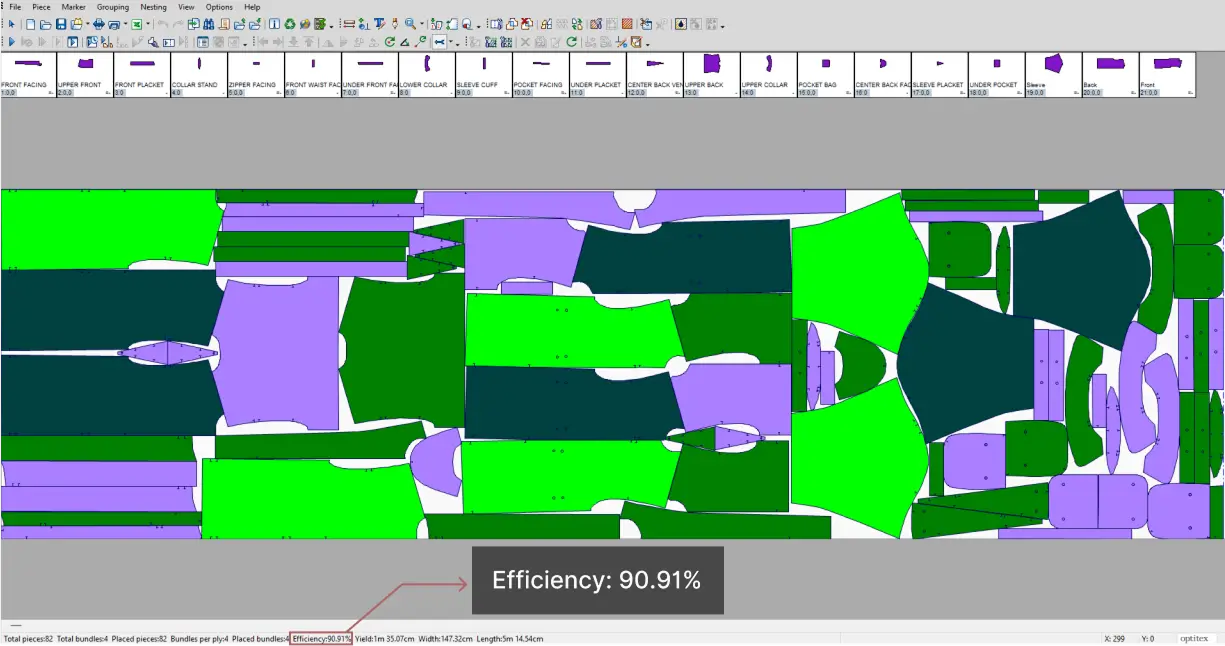
Nest ++ Pro has been updated with an enhanced nesting algorithm. This update increases processing speed while improving material efficiency and reducing computation time.
For high-volume production environments, this translates into more predictable material utilization and scalable planning performance within established workflows.

Expanding Batch-Driven Control in Marker

Production layout preparation requires precision and repeatability. O/26 expands batch-driven capabilities within Marker to strengthen consistency across repeated operations.

Automated Vertical Bump Line Batch Command

A new batch command enables automatic creation of vertical bump lines within Marker workflows. This reduces manual marker adjustments and supports consistent application across layouts, improving setup accuracy.

Expanded Group and Shading Batch Commands

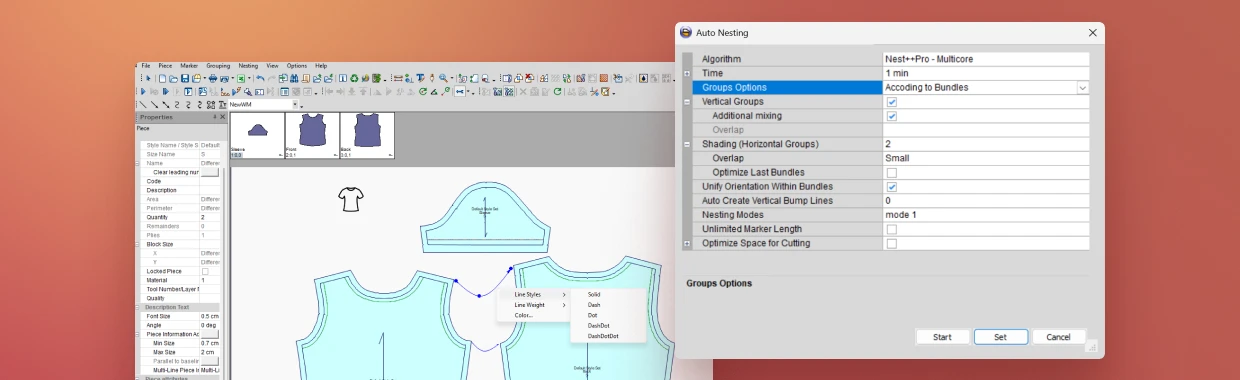
Additional batch commands now fully support group and shading options used in nesting workflows, including control over vertical and horizontal grouping, overlap behavior, mixing, and bundle optimization. These controls reinforce standardized layout preparation across production teams.

Structured Output in Print & Cut

In production documentation workflows, output consistency is essential.

New batch commands within Print & Cut enable automated generation of PDF and DXF files, including control over page orientation and defined output paths. This reduces repetitive configuration steps and strengthens reliability in structured file generation.

Tech Pack Essentials is now available to all users without additional purchase, expanding access to standardized production documentation tools and improving alignment across product development and manufacturing teams.

Stability Within the Adobe Ecosystem

Digital production environments must remain stable as surrounding platforms evolve.

The 3DDI (3D Design for Illustrator) Adobe plugin now supports Adobe Illustrator® 2025 and 2026, along with Windows 11 and macOS Sequoia and Tahoe. These updates maintain integration reliability within the current operating system and Adobe environments, helping teams operate without disruption as platform versions advance.

Extending Early-Stage Design Alignment with Sketch & Fill

Within the broader Optitex and NedGraphics portfolio, Sketch & Fill supports efficient creation of technical sketches directly within Adobe Illustrator environments. Symmetry functions, automatic stitch line generation, and simplified garment filling contribute to clearer early-stage visual preparation.

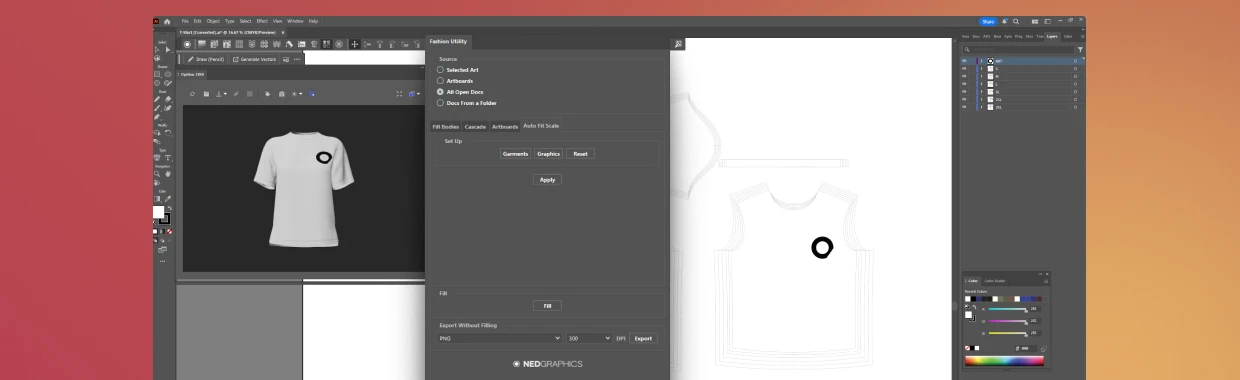
Automatic artwork scaling across sizes ensures that graphics added to a base size are proportionally scaled across all sizes in the file. Logos and design elements maintain consistent proportions and placement, eliminating manual resizing and reducing repetitive adjustments during size grading.

This alignment between visual preparation and pattern development supports more consistent communication downstream.

Optitex.Article.O26 Release.Banner3

A Deliberate Step Forward

O/26 reflects a continued commitment to operational advancement across the Optitex software. Each enhancement builds on established workflows, reinforcing usability, stability, and consistency without introducing unnecessary complexity.

By strengthening automation, improving data alignment, and reinforcing production communication infrastructure, O/26 supports organizations operating at scale in modern manufacturing environments.

For upgrade access, log into your client portal and select “Download O/26.”

Translating Creative Intention Into Production Reality

Optitex’s Response to Pantone’s Color of the Year 2026: Cloud Dancer

Each year, the Color of the Year serves as a moment of collective alignment across the global design community. With the announcement of PANTONE 11-4201 Cloud Dancer, Pantone reinforces its role in shaping how color is understood, interpreted, and applied.

Optitex’s Response to Pantone’s Color of the Year 2026: Cloud Dancer

Cloud Dancer is described as ‘an ethereal white, one that reflects calm, restraint, and a renewed appreciation for thoughtful consideration in an increasingly accelerated world. It is a color rooted in intention rather than spectacle.’

For textile product developers, however, inspiration is only the beginning. The true challenge lies not in selecting a color, but in carrying it forward accurately, consistently, and confidently from concept through production. This is where the conversation shifts.

When Technique Becomes the Differentiator

Cloud Dancer and other light tones naturally shift attention away from surface decoration and toward execution. It invites designers to rely on structure, texture, and construction to carry meaning.

In apparel, this is expressed through how a garment drapes, how seams align, and how proportions hold across sizes. In these moments, pattern accuracy is not supportive. It is decisive. Using Optitex, designers and technical teams can build and refine digital patterns with production-grade precision, ensuring that fit, balance, and construction logic remain consistent from the first size to the last.

Optitex’s advanced grading tools allow teams to manage subtle proportional changes without introducing distortion, which is critical when working with light or uniform color palettes that expose every inconsistency. Clean grading becomes visible quality. For example, Optitex’s PDS 3D simulation capabilities allow designers and technical teams to validate how a color like Cloud Dancer behaves on the body, as well as how it responds under different lighting conditions, before sampling begins. Fabric response, light interaction, and structural integrity can be assessed digitally, allowing designers to confirm that restrained color choices still communicate clarity and confidence once worn. This step replaces assumption with evidence reducing reliance on iterative physical samples and minimizing downstream corrections.

For interior textile and upholstered furniture, technique reveals itself through repeat accuracy, alignment, and surface continuity. Optitex supports precise layout development and visualization, enabling designers to control how tone, texture, and structure interact across large-scale applications where even minor variation becomes apparent. Subtle shifts in tone, shadow, and material response can be assessed in context, Marker making and material utilization tools support another critical dimension of control. When collections are built around light or uniform color families, efficiency and consistency in cutting plans directly impact both cost and quality. Optitex enables teams to optimize layouts while maintaining alignment between design intent and production realities.

Optitex enables teams to optimize production layouts while maintaining strict alignment with the original design intent. In this way, Optitex supports restraint not as an aesthetic preference, but as a disciplined, production-ready approach. The various Optitex software tools ensure that what appears simple on the surface is underpinned by systems capable of handling complexity with accuracy.

Cloud Dancer will be interpreted across different markets, materials, compliance standards, and manufacturing environment

Scaling Production Globally and Sustainably

Cloud Dancer will be interpreted across different markets, materials, compliance standards, and manufacturing environments. Sure, Pantone’s Color of the Year ‘Cloud Dancer’ is global by nature, but let’s remember production is not. What remains constant is the need for alignment across teams who may never share a physical workspace.

Digital workflows provide the connective tissue between creative vision and local execution. They allow a single color intent to be interpreted consistently, even when production conditions vary. This capability is what turns a cultural signal into a commercially viable product.

Designers are being asked to do more with less. To reduce excess without sacrificing quality. To create collections that feel considered rather than reactive, and products that endure beyond short seasonal cycles. Sustainability, in this context, is not a stylistic choice. It is an operational outcome that businesses need to plan for.

Achieving this requires tools that support discipline as much as imagination. By enabling accurate digital patternmaking, Optitex reduces reliance on physical samples early in the process. Fit, construction, and proportion can be validated digitally, minimizing material waste and shortening approval cycles. Each iteration resolved virtually represents fabric, energy, and labor not consumed unnecessarily. This allows teams to make informed decisions earlier, reducing overdevelopment and avoiding downstream corrections that often result in discarded materials. Marker making and material optimization extend sustainability into production planning. Efficient layouts reduce fabric waste while maintaining alignment with design intent. When working with restrained palettes like Cloud Dancer, this precision ensures consistency across runs without excess consumption.

Sustainability, in this model, is not an add-on. It is the result of accuracy, validation, and connected workflows. When digital precision supports creative restraint, intention becomes scalable. Design teams gain the confidence to refine rather than overproduce, to validate rather than speculate, and to build collections that respect both creative vision and material resources.

Cloud Dancer asks the industry to slow down visually. Optitex enables teams to move forward responsibly.

What Comes After Inspiration

In these contexts, success is not subjective. It is measurable. Optitex enables teams to treat color not as a trend to interpret, but as a variable to control within a production-grade digital environment. While color direction and creative exploration may originate in tools like NedGraphics, Optitex ensures that intent survives the transition into manufacturable reality. Through precise digital patternmaking, Optitex allows teams to lock down garment structure with measurable accuracy. Clean construction, balanced proportions, and consistent grading become the primary safeguards of color integrity, especially in restrained palettes where form and fit carry the visual weight.

Subtle palettes leave little room for interpretation. They demand tools that can manage complexity quietly, accurately, and at scale. Cloud Dancer rewards teams who treat technique not as a background consideration, but as the defining differentiator between inspiration and production-ready reality.

By removing uncertainty downstream, Optitex creates space upstream for designers to work with confidence. Decisions made in the creative phase are preserved through validation, precision, and repeatability, even as products move across teams, regions, and manufacturing environments.

Cloud Dancer demands calm on the surface, but rigor beneath it. Optitex is built for exactly that balance. In this context, technology does not compete with creativity. It protects it.

The future is not louder. It is more deliberate. And it is being built, one precise decision at a time.

Yours Truly,
Optitex

A New Chapter of Growth for Asia and Africa: Meet Sinem Suder Niemeyer

NedGraphics and Optitex are entering an exciting new era of growth and customer connection with the appointment of Sinem Suder Niemeyer as the first Regional Sales Director for Asia and Africa. This new leadership role is more than just a milestone, it’s a reflection of the company’s deep commitment to investing in the regions they serve and creating greater value for the textile and apparel industries worldwide.

Sinem’s journey is one shaped by passion for people, innovation, and global collaboration. With over 25 years of international experience spanning sales, sourcing, and digital transformation, she brings a rare combination of technical understanding and customer care. Having lived and worked across continents, Sinem knows what it takes to bridge markets, cultures, and opportunities.

Sinem Suder Niemeyer, Regional Sales Director, Asia and Africa

“The next chapter of our industry will be written by those who embrace change. The future belongs to innovators, and my mission is to help them turn creativity into impact and possibility into progress.”

– Sinem Suder Niemeyer, Regional Sales Director, Asia and Africa

Her background in procurement and sourcing gives her a unique perspective on the textile supply chain, from the factory floor to the global retail stage. She understands the challenges manufacturers face in meeting modern market demands, and she speaks the language of their customers. That insight has become her greatest strength: anticipating what success looks like for others and helping them achieve it.

At NedGraphics, Sinem has already been instrumental in guiding textile, carpet and apparel manufacturers through large-scale digital adoption, helping them modernize production and embrace new efficiencies. Her hands-on approach and customer-first mindset have made her a trusted partner in the industry.

“Sinem’s appointment marks a significant milestone in our growth strategy,” said Jim Collins, VP of Sales at Optitex and NedGraphics. “Her extensive background in both textiles and digital solutions, combined with her customer-first mindset, positions her perfectly to lead our efforts in these rapidly evolving markets.

“This new regional leadership role reflects our ongoing commitment to international growth and customer value,” added Frank Maeder, President of NedGraphics. “Sinem has already demonstrated outstanding results in driving adoption and engagement across Asia and Africa, and we are confident she will continue to build on that momentum.”

In her new role, Sinem will focus on strengthening customer relationships, and advancing the digital evolution of textile design, product development, and production across Asia and Africa. With continued investment across Asia and Africa, NedGraphics and Optitex are deepening their global presence and reaffirming a shared vision: to help customers work smarter and more sustainably, create faster and more efficiently, while innovating without limits.

Looking Ahead

As Sinem steps into this pivotal role, NedGraphics and Optitex are looking toward a future where technology and creativity move hand in hand, where regional growth is fueled by strong partnerships and shared ambition.

Optitex and NedGraphics Host Successful West Coast Weave Networking Mixer in Los Angeles

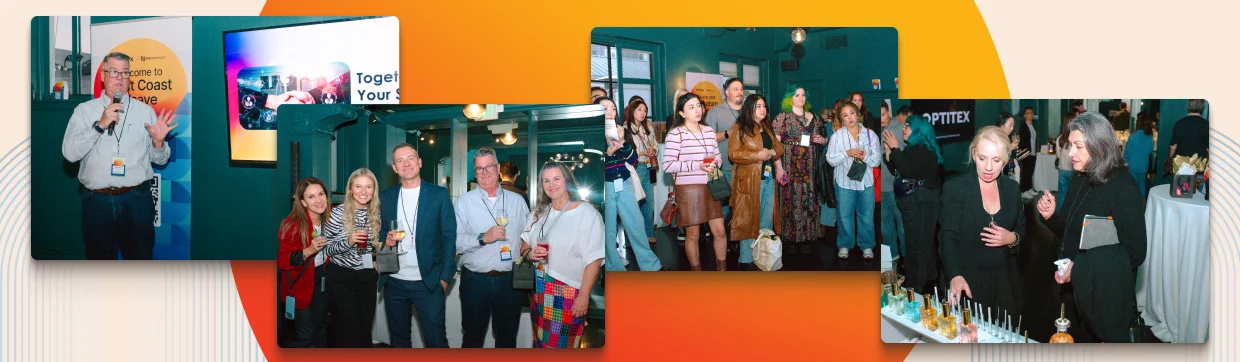
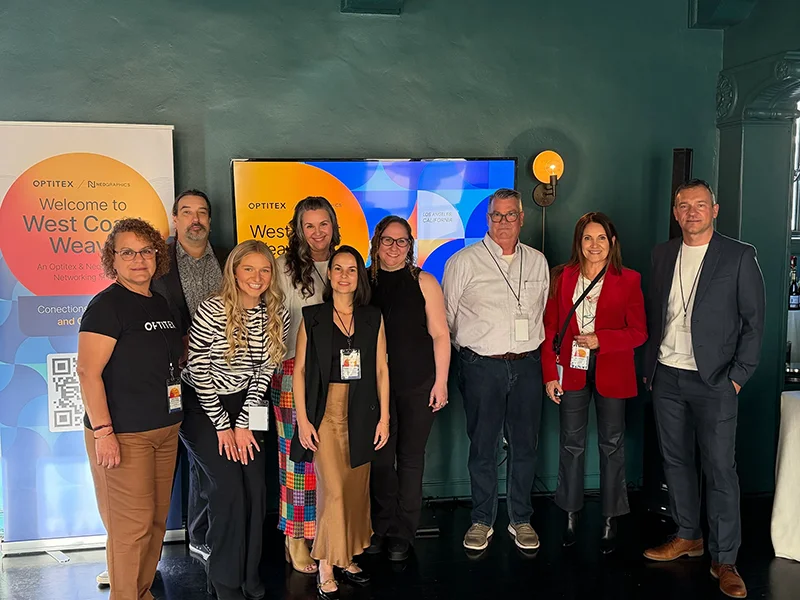
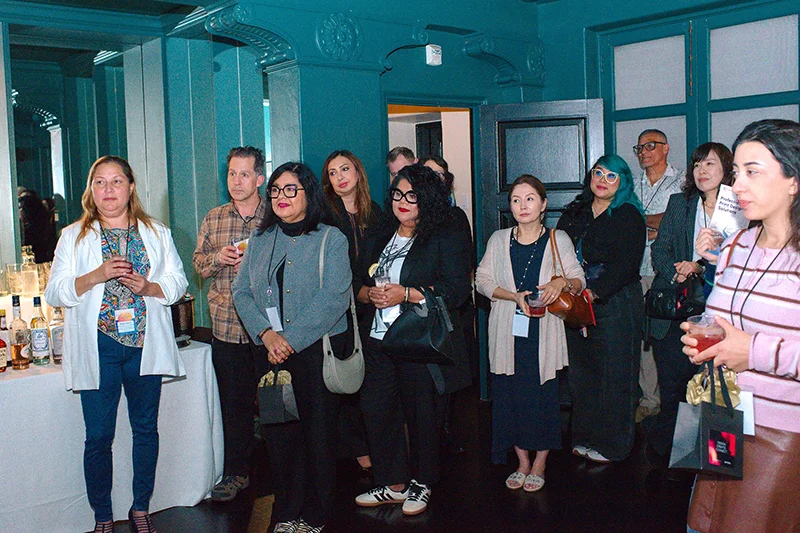
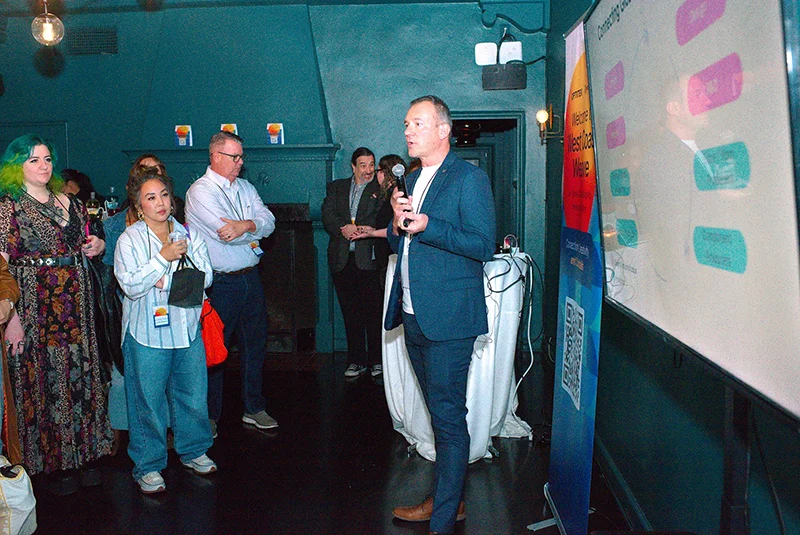
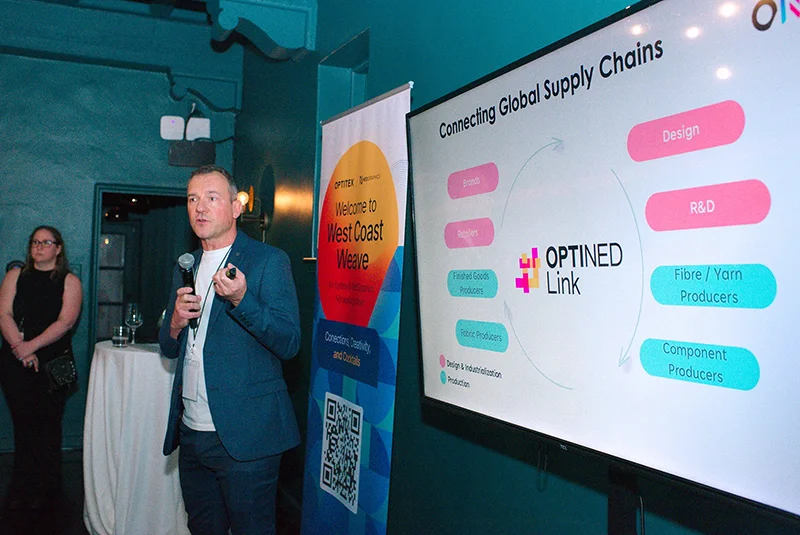
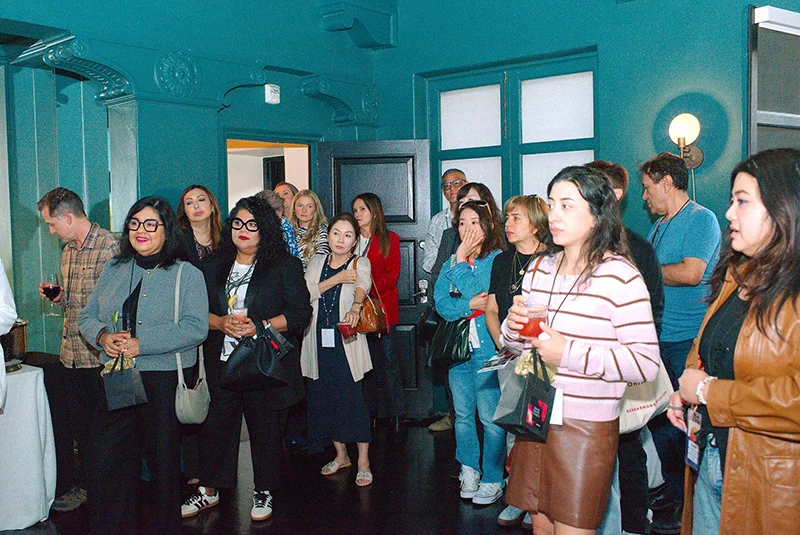
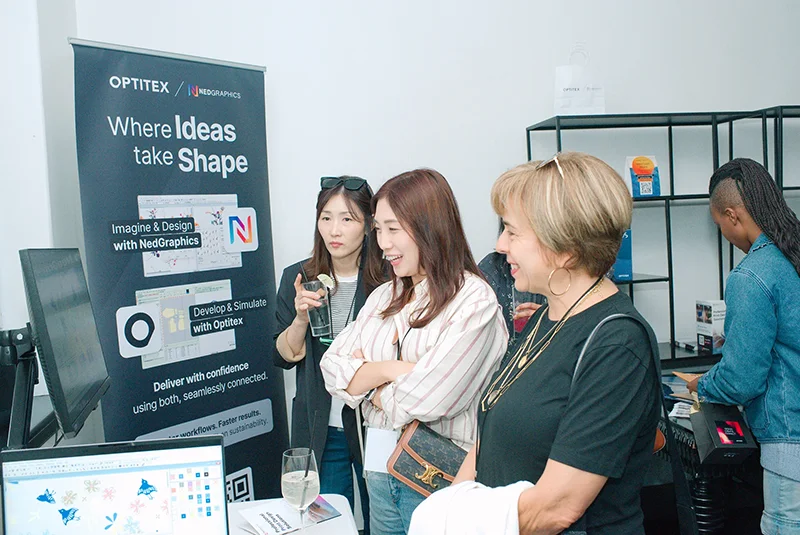
Optitex and NedGraphics proudly hosted West Coast Weave, an exclusive networking mixer at the historic Cardinal’s Quarters at Redbird in Los Angeles on October 23. The event brought together apparel and textile industry professionals for an evening celebrating creativity, innovation, and collaboration in digital design.

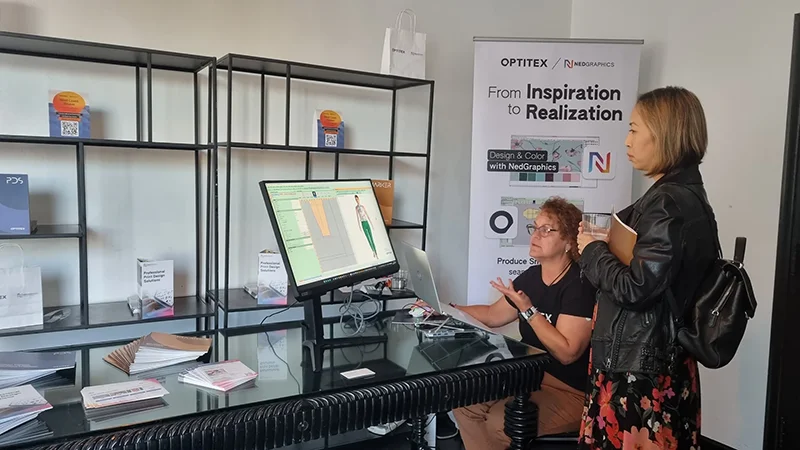
Attendees heard from the leadership team as they presented how Optitex and NedGraphics are building synergy for true end-to-end workflows, from digital textile design and pattern development all the way to production. Guests engaged in conversations with company executives, including President Frank Maeder and VP of Sales Jim Collins, and experienced live demonstrations highlighting the latest advancements across both software portfolios. They also enjoyed a one-of-a-kind Fragrance Creation Experience, while connecting with peers and exploring the many new features shaping the future of fashion and textile technology.

Customers praised the event’s inspiring atmosphere and expressed strong enthusiasm for the breadth of innovation presented, making West Coast Weave a standout gathering that underscored Optitex and NedGraphics’ commitment to advancing digital transformation across the design community. Optitex and NedGraphics continue to shape the future of digital design-to-production workflows and look forward to building on this momentum at upcoming events and industry gatherings worldwide showcasing new ways to connect design creativity with cutting-edge textile production technology.

Optitex to Present End-to-End Pattern Development and Production Solutions at CISMA 2025

Optitex delivers digital solutions that help brands and manufacturers streamline development and production, improve accuracy, and accelerate time to market.

Optitex will participate in CISMA 2025, taking place from September 24–27 at the Shanghai New International Expo Center (SNIEC). The team will be located in Hall E3, Booth D72, where they will present a comprehensive suite of digital solutions designed to optimize sewn-product development and manufacturing.

Optitex enables apparel and sewn-goods manufacturers to streamline operations, reduce material waste, and accelerate production cycles. The platform supports integration from 2D pattern development to production planning, allowing organizations to improve throughput, consistency, and operational control.

Smarter 2D Pattern Development (PDS) Precise tools for digital pattern creation, advanced grading, and technical validation, designed to support production-ready workflows.

Optimized Nesting for Maximum Yield Automated nesting capabilities that maximize fabric yield and minimize offcuts, contributing to cost savings and material efficiency.

Seamless End-to-End Workflows Integrated modules that align development, planning, and execution phases within a centralized environment to enhance productivity and traceability.

Live Consultations with Experts Attendees can meet directly with Optitex specialists to discuss implementation strategies, configure workflows, and assess solution fit based on production volume and operational goals.

Optitex’s presence at CISMA 2025 reflects its continued investment in scalable, real-time infrastructure for both product development and manufacturing. By integrating digital workflows across departments, manufacturers can achieve greater efficiency, reduce errors, and maintain agility in highly competitive markets.

Heading to CISMA?

If your team is attending CISMA 2025, make time to connect with the Optitex team:September 24–27, 2025Shanghai New International Expo Center (SNIEC)Hall E3, Booth D72

If you’re attending CISMA 2025 and would like to connect, Optitex representatives will be on-site. Please reach out to Jan Chan, VP Sales APAC, at jan.chan@optitex.com, or Parvinder Singh, Sales Director, India, at parvinder.singh@optitex.com.

Your Optitex Team

Join Optitex & NedGraphics at Texprocess Americas 2025 – Booth #2343!

The Premier Event for Textile & Apparel Technology

Texprocess Americas is the must-attend event for professionals in the textile, apparel, and sewn products industries. As the leading trade fair for cutting-edge manufacturing and technology solutions, this event provides an unparalleled opportunity to explore the latest innovations, connect with industry leaders, and discover transformative software solutions.

Mark Your Calendars!

Join Optitex and NedGraphics at Texprocess Americas 2025May 6-8, 2025Atlanta, GeorgiaBooth Number: 2343

Experience the Future of Textile & Apparel Production

At Booth #2343, Optitex and NedGraphics will showcase our latest advancements in seamless digital textile design, precision-driven 3D prototyping, and intelligent production optimization, integrating NedGraphics’ industry-leading design software with Optitex’s cutting-edge 2D & 3D CAD capabilities for a fully connected workflow.

Join us for demonstrations and expert-led sessions that highlight:

NedGraphics Advanced design software for streamlined textile and apparel creation.

Optitex Innovative 2D & 3D CAD solutions for accurate pattern-making, virtual sampling, and efficient nesting.

New Software Enhancements See firsthand how our latest updates including O/25, NedGraphics 2025, NEDHub and more that drive production efficiency and sustainability.

Software Demonstrations Interactive sessions featuring our powerful tools in action.

Let’s Connect!

Don’t miss your chance to experience the latest innovations shaping the future of fashion and textile production. Visit Booth #2343 to explore our solutions, speak with our experts, and see how we can help elevate your business.

Optitex O/25: Advancing Smarter, Faster, and More Sustainable Digital Product Development and Production Optimization

In today’s fast-paced production environment, efficiency isn’t just a goal—it’s a necessity. Rising material costs, supply chain disruptions, and strict sustainability mandates are pushing businesses across fashion, automotive, and furniture to rethink how they develop products, optimize resources, and bring designs to market faster. Traditional workflows can no longer keep pace with the demand for greater speed, precision, and cost control.

Optitex O/25 isn’t just an update; it’s a strategic leap forward in digital product development. As a global provider of cutting-edge CAD/CAM software solutions, Optitex empowers businesses to streamline pattern development, accelerate virtual sampling, and optimize material use before production even begins. By reducing manual work, minimizing errors, and eliminating unnecessary material waste, O/25 helps companies make faster, smarter, and more sustainable decisions at every stage of product development.

With script-free automation, real-time nesting efficiency tracking, enhanced pattern alignment, and advanced 3D export capabilities, the O/25 update transforms how businesses operate. In an industry where digital innovation drives success, Optitex is leading the way—helping companies future-proof their operations and stay ahead in a rapidly evolving market.

New Tools That Streamline Workflows

Script Builder: Automate Repetitive Tasks, No Coding Required

Manual scripting is now a thing of the past. The new Script Builder lets users create batch command scripts through an intuitive interface, without any coding experience. These scripts can be saved as templates and executed seamlessly in PDS, Marker, or both; eliminating repetitive manual work. This streamlined approach minimizes errors, reduces manual intervention, and significantly improves production efficiency.

play-btn

utEx7WSEmiU

Production Diagram: A Smarter Way to Plan and Execute

The Production Diagram is set to redefine manufacturing workflows by providing a clear, step-by-step visual guide for cutting, sewing, and assembly. With built-in annotation tools, automatic updates in pattern pieces, and seamless integration with PDS, this tool eliminates the need for external applications.

With synchronization between PDS and Production Diagram, every update to a pattern piece is instantly reflected in the diagram—reducing miscommunication and errors. The Production Diagram tool revolutionizes streamlined operations by managing complex automotive upholstery layouts and ensuring accurate garment assembly.
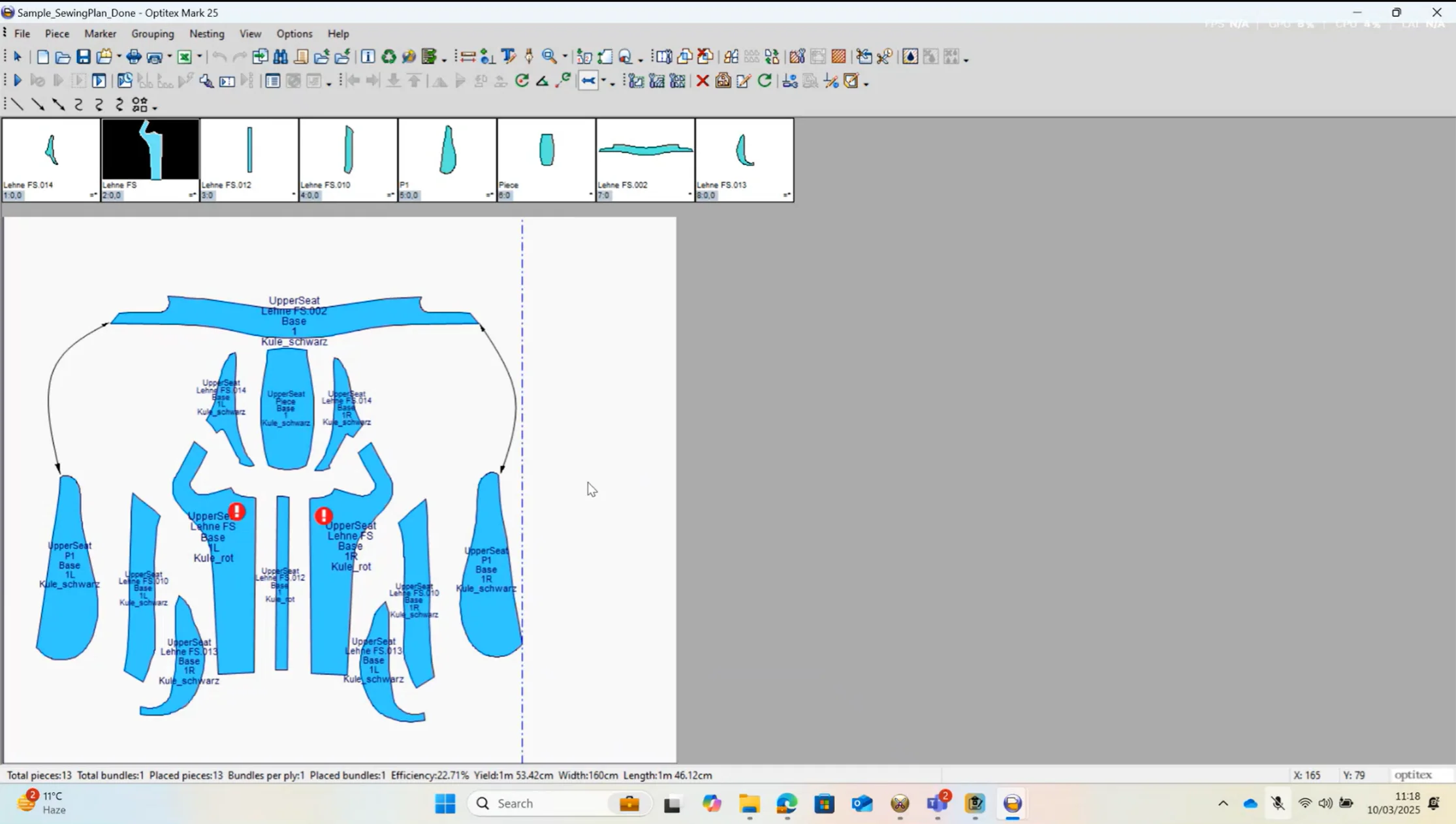
Production diagram

“Currently, manufacturers must rely on third-party software to create production instructions. However, manufacturers must recreate these documents from scratch each time a pattern piece changes, leading to an inefficient and time-consuming process. The Production Diagram Tool eliminates this challenge by generating step-by-step visual instructions that update in real time with pattern changes. This approach ensures accuracy, reduces assembly errors, and streamlines production workflows for greater efficiency.”

Product Enhancements That Drive Efficiency

Smarter Grading & Pattern Alignment with PDS 2D

The improved Piece Creation tool now automatically applies grading points to new pattern pieces, ensuring precise alignment for better garment construction. This enhancement eliminates manual adjustments, reduces errors, and speeds up production.

Additionally, the enhanced Piece Information Text tool introduces better text positioning, rotation, and formatting, creating a more intuitive and seamless user experience when managing piece properties across PDS and Marker.

Faster, More Flexible 3D Development with PDS 3D

O/25 introduces advanced GLTF/GLB Export, allowing users to export 3D pieces composed of multiple meshes as a single mesh and include customizable nested map images, 2D board images, and scalable 3D data. This improvement ensures seamless integration with third-party platforms.

Additionally, 3D Undo & Redo functionality now allows users to reverse or reapply adjustments within the 3D window, making design iterations faster and more intuitive.

“Across industries, from fashion to automotive, virtual sampling is essential for validating fit and material behavior. In the past, pattern makers faced slow iteration cycles when adjusting 3D patterns due to the lack of a seamless modification tool. O/25’s 3D Undo & Redo feature removes this barrier, allowing instant refinements with seamless reversibility. This functionality accelerates virtual sampling, enabling faster iterations and reducing delays in production.”

Optimized Material Utilization with Marker Enhancements

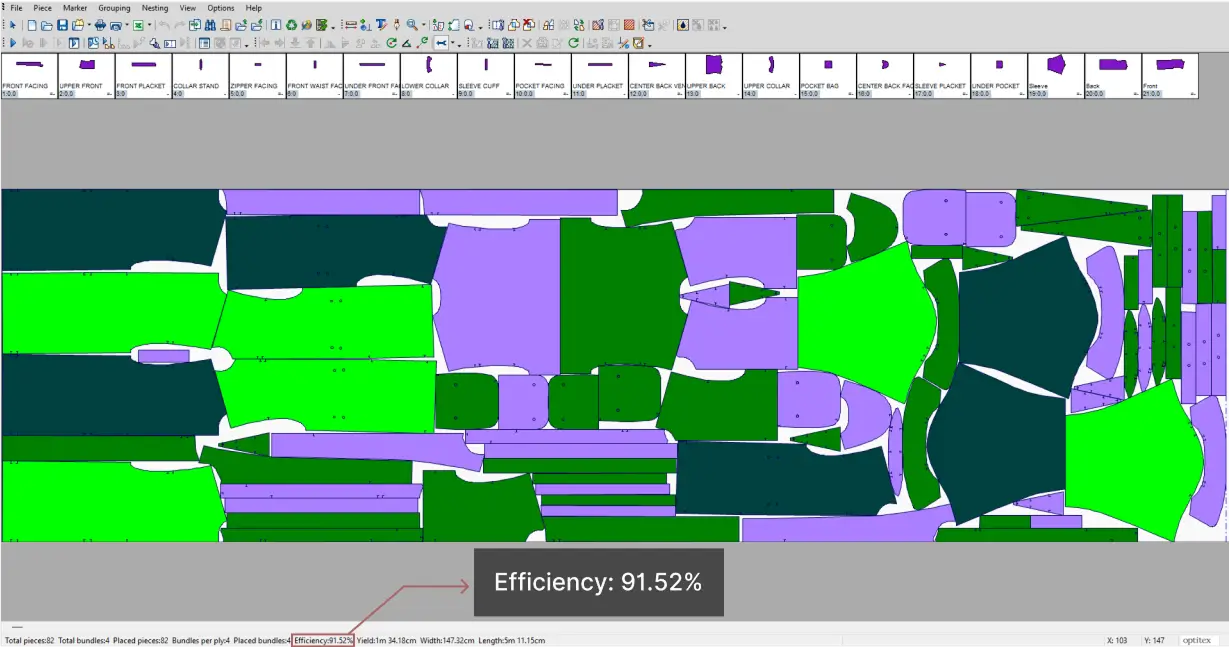
Updated Nest ++ PRO: Smarter Nesting, Less Waste

The latest Nest ++ PRO Algorithm is designed to maximize material usage while minimizing waste, ensuring more efficient production planning. By optimizing placement logic, this update reduces fabric waste and enhances sustainability, lowering costs across industries.

Previous Nest
Updated Nest ++ PRO

“Fabric waste is a major concern for manufacturers using manual nesting methods, where inefficient pattern placement increases production costs. As sustainability mandates grow stricter, businesses need smarter material utilization strategies to minimize waste while maintaining production efficiency. With O/25’s enhanced Nest ++ PRO algorithm, manufacturers can achieve greater efficiency by improving pattern placement for better material utilization. The result? Reduced waste, lower production costs, and a more sustainable manufacturing process.”

Real-Time Nesting Efficiency Tracking: Smart, Sustainable Decisions

Instead of waiting until the nesting process is complete, users can now monitor Nesting efficiency in real time, identifying the optimal moment to stop nesting. This functionality reduces time waste and allows manufacturers to save and retrieve marker files at multiple stages for future use.
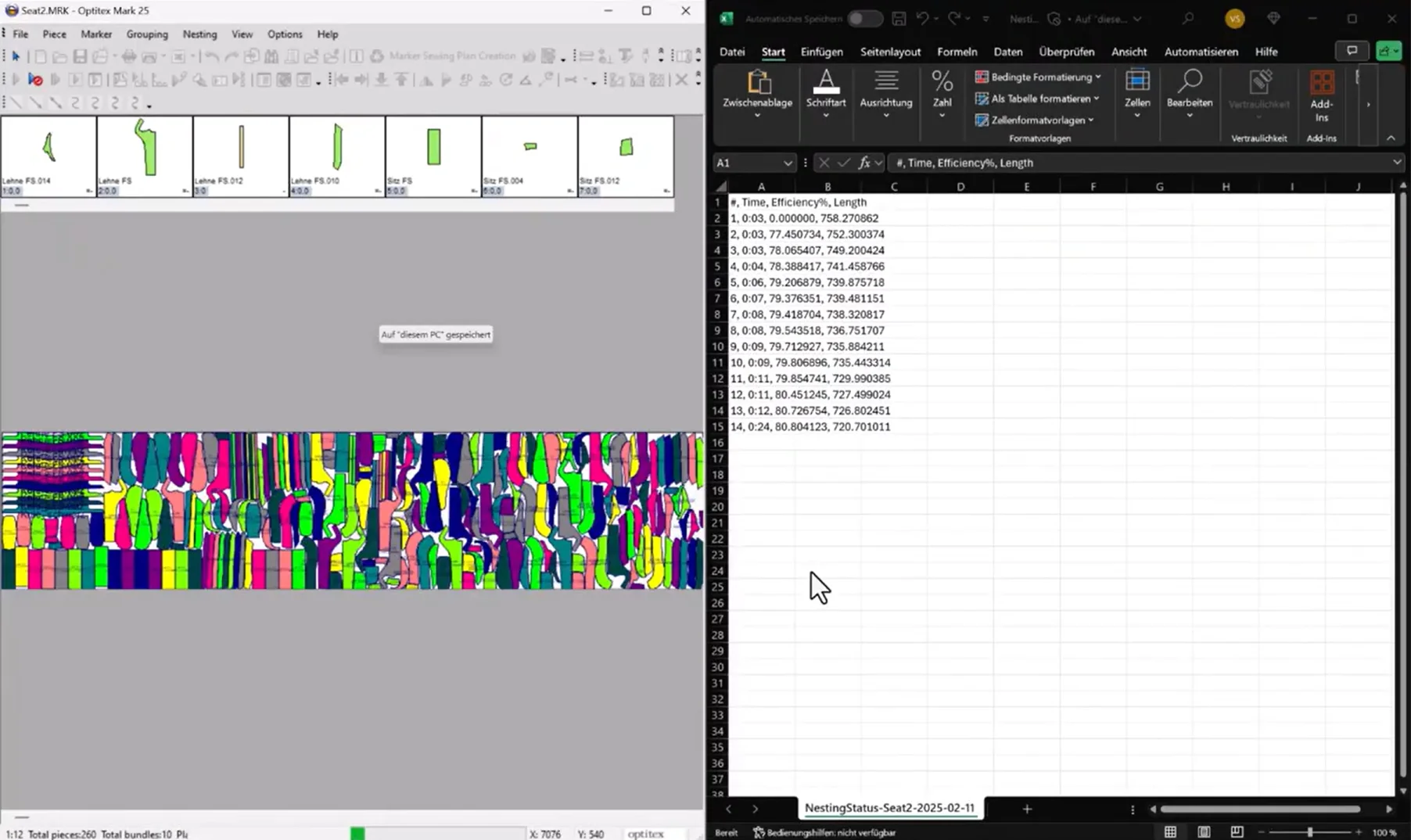
Real-Time Nesting Efficiency Tracking: Smart, Sustainable Decisions

DXF Export Enhancements: Precision Sorting and Identification

Now supporting Projection System output, DXF exports can highlight pieces in different colors based on bundles, making sorting more intuitive. Additionally, piece names are now embedded directly into the output, streamlining the cutting process and improving accuracy.
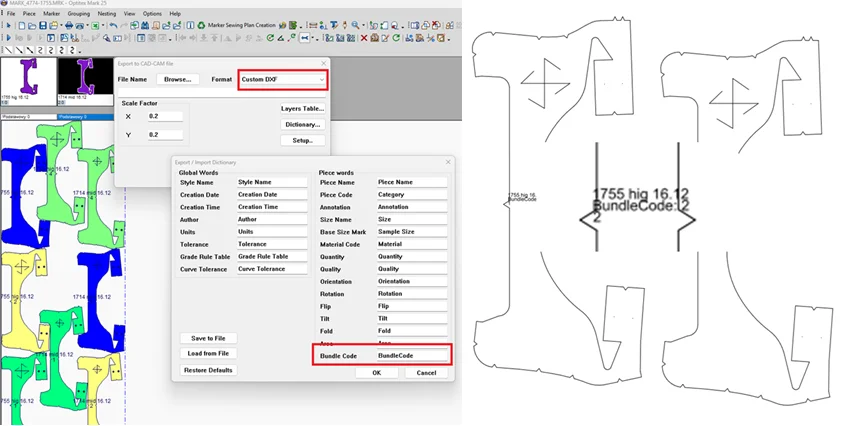
DXF Export Enhancements: Precision Sorting and Identification

“Projection systems used during the bundling phase across all sewn industries help operators quickly distinguish between parts or sizes of the same design by projecting different colors onto pattern pieces. However, when a projector cannot display colors due to missing data, operators waste time sorting cut pieces. With O/25’s improved DXF Export, pieces are color-coded by bundle and labeled with names, enhancing organization, increasing efficiency, reducing errors, and ensuring each bundle contains the correct components.”

Flaw Batch Command

The Flaw Batch Command streamlines the cutting process by automatically removing pattern pieces that intersect with fabric flaws on the marker table, ensuring that only flawless material is used. By integrating with hardware-based flaw detection systems, this feature saves time, reduces material waste, and improves overall product quality.

O/Cloud: Enhanced Collaboration and Accessibility

Seamless Collaboration Across Companies

With O/Cloud’s New Invite feature, users can now add collaborators from external companies, as long as they have O/Cloud accounts, without affecting license counts. This update streamlines cross-company workflows, ensuring that all stakeholders have access to shared digital assets.

“When brands and their suppliers rely on emails or third-party file transfer services to share design files, version control issues and miscommunication can lead to costly mistakes. With O/25’s O/Cloud updates, organizations can seamlessly collaborate without adding extra users or fees. Brands can invite suppliers directly into their O/Cloud workspaces, ensuring that both parties work with the latest files in real time. This feature reduces versioning errors, streamlines collaboration, and accelerates the product development process.”

File Organization & Customization for Faster Workflows

New file management features include:

  • “Recently Updated” Sorting: Instantly locate modified files.
  • Customizable File Display Views: Switch between Thumbnail and Detailed View for improved organization.

Pin Comments in GLB Viewer

Pin Comments are now available in the GLB viewer, providing a precise way to give context-specific feedback on 3D assets. Users can pin comments directly to specific garment areas, ensuring clear and actionable communication throughout the review process.
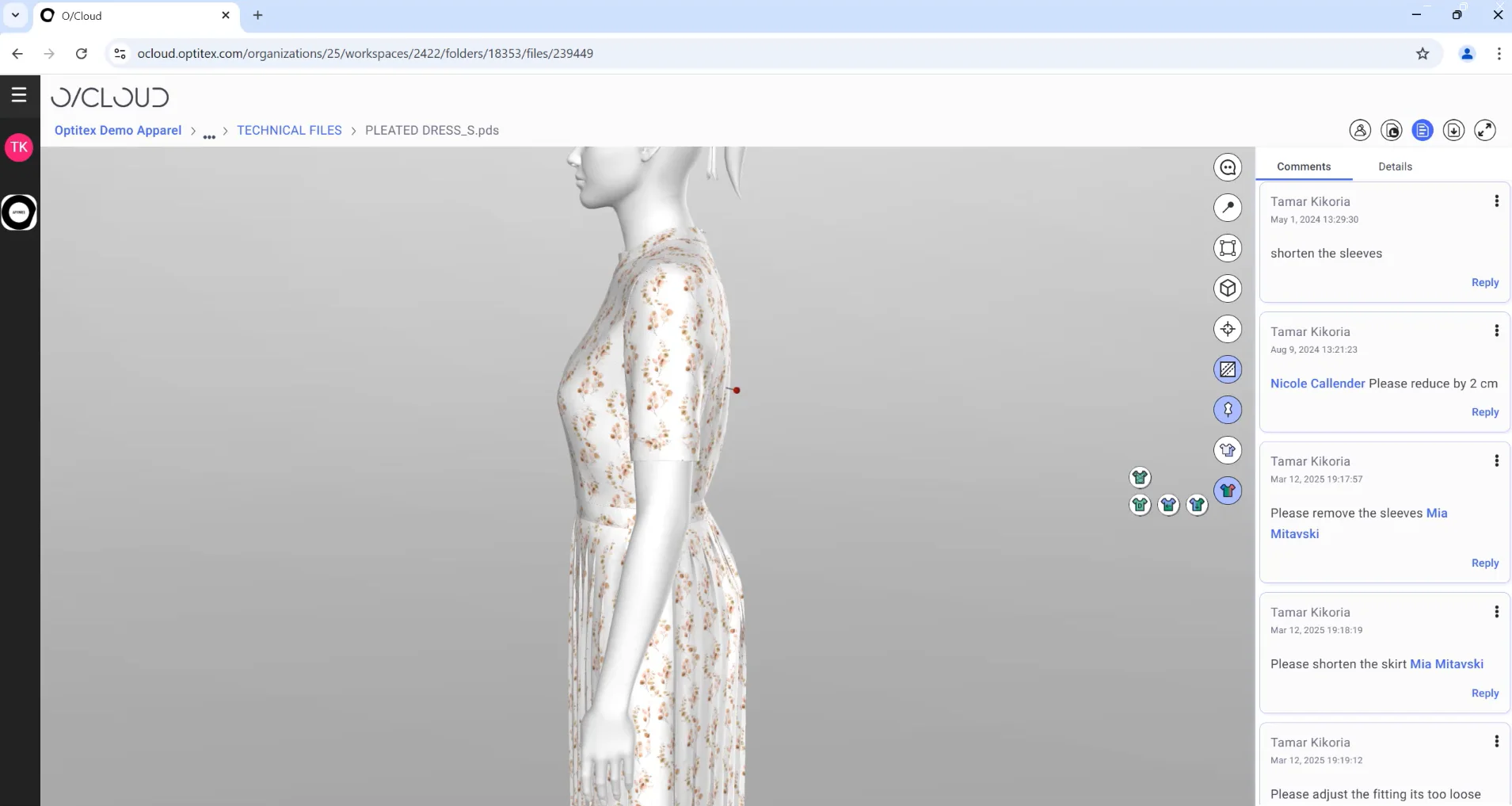
Pin Comments in GLB Viewer

Enhanced 3D Viewing & Visualization

The GLB Viewer now allows users to toggle floor visibility, adjust lighting environments, and control avatar visibility, ensuring accurate visualizations and a streamlined revision process.

Advanced User Management

The tiered user structure introduces Pro, Basic, and API User roles, ensuring that teams have the appropriate level of access for maximum security and efficiency.
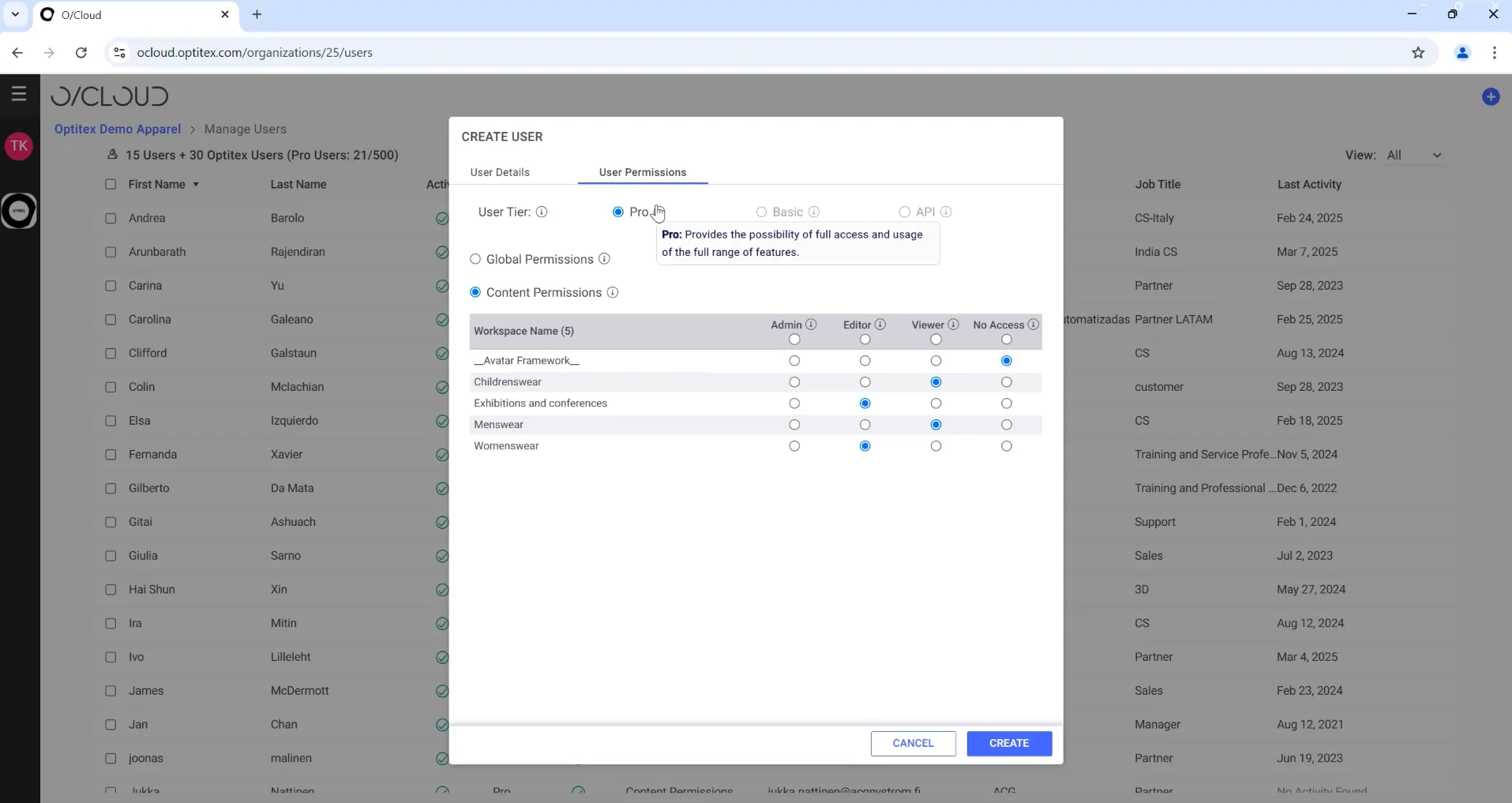
Advanced User Management

Optitex O/25: Designed for Industry Leaders

The Optitex O/25 update is more than just an upgrade—it represents a significant advancement in how businesses handle digital pattern making, material optimization, and collaboration. With smarter nesting, seamless automation tools, and enhanced 3D and production planning features, this release is designed to help industry leaders reduce waste, improve accuracy, and accelerate production cycles.

Companies that embrace automation and efficiency today will lead the industry tomorrow. How is your organization preparing for the next era of digital production? The conversation starts now. Experience the next level of efficiency—upgrade to Optitex O/25 today.

HARNESSING INNOVATION, SOFTWARE AND TECHNOLOGY FOR TEXTILE DESIGN AND PRODUCTION: INSIGHT WITH FRANK MAEDER, PRESIDENT OF NEDGRAPHICS AND OPTITEX

Acknowledgment: Adapted Content from Texintel
This article was originally published by Texintel and features an interview conducted by Debbie McKeegan from Texintel. The content has been adapted for NedGraphics and Optitex. To explore the original version, visit the Texintel website here.

“Frank Maeder’s insights underscore the power of technology, partnerships, and innovation in the textile industry. The ongoing evolution of this industry is characterised by the continual blending of creativity and groundbreaking technology, with the future seemingly leaning further into the realms of AI, automation and connectivity…” | WATCH NOW

As the textile industry continues to embrace and harness the benefits of digital design and processes, innovation within our sector is democratising design and enabling knowledge transfer. As a net result, technology is empowering a new generation of creatives who have the skills to drive systemic change.

We recently interviewed Frank Maeder, president of NedGraphics and Optitex, who shared valuable insights into this changing landscape and how professionals can navigate successfully:

The Evolution of Design: A Beautiful Blend of Creativity and Technology

At the heart of textile design lies a creative biome fueled with innovation and enriched by technology. Over centuries, it has witnessed the transformative integration of technologies like CAD, CAM, AI, digital printing and more, offering designers a toolbox filled not only with pattern but also with possibilities. This creative freedom is augmented by software suites such as NedGraphics and Optitex, which, in Maeder’s words, “play a pivotal role in fostering efficient production and seamless design workflows.”

Digital Product Creation: Bridging Artistry, Technology and Sustainability

The data network between artistry, technology, and sustainability is reshaping the design process. Emphasising this fusion, Maeder cites tools that power creativity while enhancing efficiency and precision. Highlighting the significance of virtual sampling and material efficiency tools, he underscores the pathway to a greener textile industry — reducing carbon footprint and minimising waste.

NedHub: Elevating Connectivity and Collaboration

The textile design and production landscape is no longer an isolated one. Maeder introduces NedHub, a cloud-based framework designed to enhance connectivity and collaboration in the design lifecycle. Its offerings like NedKey for cloud-based licensing and NedLink for interfacing with third-party systems facilitate streamlined workflows, reduce errors, and drive transparency.

Harnessing the Power of AI and Partnerships

With the rising tide of AI, the textile industry stands to benefit significantly. According to Maeder, “AI’s potential in creating variances, trend analysis, and colourway generation is indisputable.” However, he emphasises its role as “a tool to assist, not replace, the creativity and expertise of designers.”

Likewise, navigating the complex industry challenges requires more than technological prowess. It necessitates partnerships. Maeder advocates for collaborations with best-in-class partners to maximise potential and drive growth.

Looking Ahead: The Future of Textiles

As the industry looks toward the future, trends like connectivity, automation, and AI integration hold the key to innovation and efficiency. Maeder invites the global design and printing practitioners to experience the most recent trends and software solutions at the Heimtextil event in Frankfurt, January 2025, Booth F41 in Hall 3.0.

In Conclusion

Frank Maeder’s insights underscore the power of technology, partnerships, and innovation in the textile industry. The ongoing evolution of this industry is characterised by the continual blending of creativity and groundbreaking technology, with the future seemingly leaning further into the realms of AI, automation and connectivity. This drive towards innovation, eco-efficiency, and seamless workflow is setting the tone for the future of textile design and production.

Listen to the Podcast

Optitex at the Siemens PLM Components Innovation Conference 2024

Optitex had the honor of taking the stage at the Siemens PLM Components Innovation Conference 2024, where our long-standing partnership with Siemens continues to shape the future of digital product development. The conference, which gathers Siemens’ key partners, showcased innovations in 3D product design, simulation, and manufacturing, emphasizing the role of PLM components in accelerating digitalization and driving innovation across industries.

Frank Maeder, President of Optitex and NedGraphics, delivered a compelling presentation titled “Driving Digital Transformation in Fashion, Transportation, and Furniture Industries.” During his talk, Frank highlighted the cutting-edge technologies that Optitex provides, enabling businesses—from SMBs to large enterprises—to fast-track their digitalization efforts and achieve Industry 4.0 standards.

Frank shared impressive ROI statistics achieved by Optitex clients, including some that reported a 50% reduction in production time, and others that reduced physical samples by over 65%—with some even eliminating physical samples altogether. He also emphasized the sustainability benefits, citing Optitex’s automated nesting capabilities, which deliver an average of 96% material efficiency, allowing businesses to significantly reduce waste and optimize their production costs.

With these advanced solutions, Optitex is not only driving digital transformation but also helping organizations stay competitive in today’s rapidly evolving industries. By partnering with Siemens, we are bringing photorealistic rendering directly into the PDS application and continuing to empower businesses with next-generation software for product development.
As digitalization becomes an increasingly strategic asset, Optitex is at the forefront of innovation, delivering high-efficiency results across product development and pre-production workflows.

Optitex PDS 3D Users Enjoy Siemens’ Iray+ Market-winning Rendering Tech – Enabling High-fidelity Fabric & Avatar Visualization!

Today, tech designers and patternmakers alike can benefit from unparalleled render quality, true-to-life validation for designs and save on multiple production samples, shipping time, and costs.

All can be done in real time, with a simple and intuitive GUI from the Optitex PDS 3D window, powered by Siemens Iray+ high-end visualization libraries.

The Iray+ Software Developer Kit (SDK) allows to easily integrate highly performant photorealistic rendering into 3D software applications. It is a mature solution that builds on NVIDIA’s original Iray® technology, made openly available by Siemens to other software vendors.

Supported by Siemens Iray+, Optitex PDS 3D enables designers to present superior quality rendering of their style with all the material and trim details on a photorealistic avatar, in a scene of their choice. Avatars’ skin and hair look exceedingly realistic, and end-users can experience a seamless visualization workflow, without the need for rendering expertise.

Optitex’s decade-long integration of Iray® technology has amplified the company’s core strength in digitizing development, with particular focus on fit and accuracy. It continues to help meeting the surge in design quantities, streamlining them to production, and reducing brands’ mass returns, while preserving quality, reputation and trust.

Excellent rendering performance is a key feature in all Optitex verticals: apparel, bags and accessories, transportation interiors and furniture.

Graeme McBean, Director of Open Tools, Siemens Software, said, “We are proud to partner with Optitex, to enable them to harness the power of Iray+, and optimize apparel tech designers’ user experience. Working closely with Optitex, we have learned how apparel visualization has its unique challenges and complexities, matched with meeting Optitex’s high standards, not only to make rendering realistic, but to also strictly adhere to precision and accuracy in a fabric’s physical properties, draping, and fit.”

Frank Maeder, President of Optitex and NedGraphics, added, “We are thrilled to partner with Siemens for their Siemens Iray + Software Developer Kit and provide a high-quality visualization solution to our customers. High-end 3D visualization of pattern designs enhances the entire design process, from conception to presentation, leading to better outcomes and greater satisfaction.”